
Switchback LED Turn Signal Bulbs: Complete Guide to Dual-Function Lighting

Autosaver88 Dual-Color Switchback LED Turn Signal Bulbs
High-performance switchback LED bulbs featuring white running lights and amber turn signals. Designed for maximum visibility with 3157/3156 compatibility and CANBUS integration for error-free operation in modern vehicles.
Key Features:
- Dual white/amber color switching
- 3157/3156 socket compatibility
- CANBUS error-free design
- 3000K amber and 6000K white output
- 50,000-hour LED lifespan
- Plug-and-play installation
- Heat-resistant aluminum housing
- DOT compliance certification
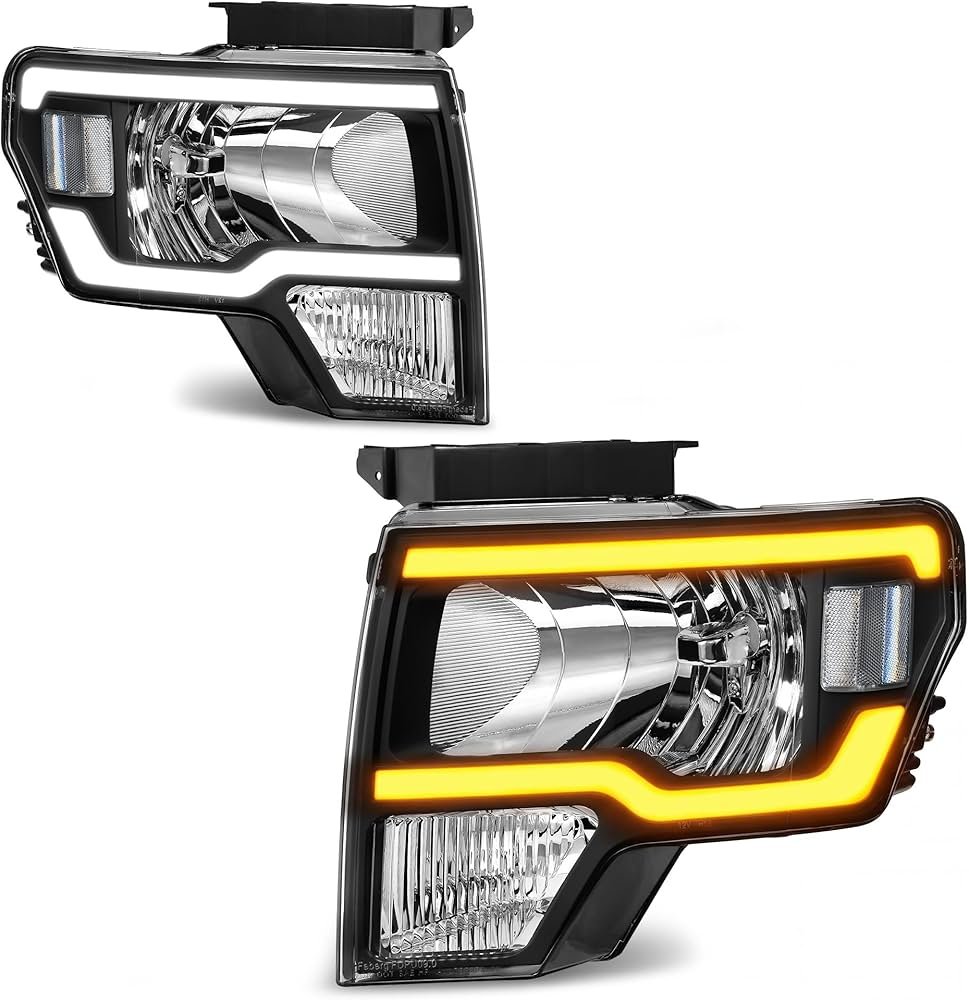
Autosaver88 High-Output Switchback LEDs with Heat Sink
Premium switchback LED turn signals with advanced thermal management and ultra-bright output. Features integrated heat sink technology and wide-angle beam pattern for superior visibility and long-term reliability.
Key Features:
- Advanced heat sink cooling
- 2000-lumen maximum output
- 360-degree light distribution
- Shock and vibration resistant
- IP67 waterproof rating
- Universal fitment design
- Anti-flicker circuitry
- 5-year manufacturer warranty
Understanding Switchback LED Turn Signal Technology
Switchback LED turn signal bulbs represent a significant advancement in automotive lighting technology, combining dual functionality in a single unit. These innovative bulbs operate as white daytime running lights during normal driving conditions and automatically switch to amber when activated as turn signals.
The autosaver88 switchback led systems utilize sophisticated electronic circuits that manage the color transition seamlessly. When the turn signal is activated, the white LEDs shut off while amber LEDs illuminate, creating the legally required amber turn signal color. This dual-function design eliminates the need for separate bulbs and wiring modifications.
How Switchback LEDs Work
The technology behind switchback LEDs involves multiple LED chips within each bulb assembly. White LEDs typically operate on a constant power supply for daytime running light function, while amber LEDs activate only when the turn signal circuit receives power from the vehicle’s flasher relay.
Modern autosaver88 switchback led bulbs incorporate intelligent control modules that prevent both colors from operating simultaneously. This ensures proper signal visibility and compliance with Department of Transportation regulations regarding turn signal colors.
Benefits Over Traditional Bulbs
Switchback LEDs offer several advantages compared to conventional incandescent turn signal bulbs. LED technology provides instant illumination without the warm-up time required by halogen bulbs, resulting in faster signal recognition by other drivers.
The extended lifespan of LED technology means autosaver88 switchback led bulbs can operate for 50,000 hours or more, compared to 1,000-2,000 hours for traditional incandescent bulbs. This longevity reduces maintenance costs and the frequency of bulb replacements.
Installation Process for Switchback LED Turn Signals
Installing switchback LED turn signal bulbs follows a straightforward process similar to traditional bulb replacement, with some additional considerations for optimal performance. Most autosaver88 switchback led products feature plug-and-play designs that eliminate complex wiring modifications.
Begin the installation by locating the turn signal housing, which varies by vehicle make and model. Access typically requires removing lens covers or accessing bulb sockets from behind the headlight assembly. Ensure the vehicle’s ignition is off and lights are disconnected before beginning work.
Socket Compatibility and Fitment
Proper socket identification ensures correct fitment for switchback LED installations. Common turn signal socket types include 3157, 3156, 7443, and 1157 configurations, each with specific pin arrangements and electrical characteristics.
Autosaver88 switchback led bulbs are manufactured to match OEM socket specifications precisely. The bayonet-style connections require proper alignment and a quarter-turn clockwise rotation to secure the bulb in the socket. Improper installation can result in poor electrical contact and intermittent operation.
CANBUS Integration Considerations
Many modern vehicles utilize Controller Area Network (CAN) systems that monitor bulb operation and electrical load. Standard LED bulbs may trigger error messages due to their lower power consumption compared to incandescent bulbs.
Autosaver88 switchback led products with CANBUS compatibility include built-in load resistors or electronic modules that simulate the electrical characteristics of original bulbs. This integration prevents dashboard warning lights and ensures proper operation with the vehicle’s computer systems.
Performance Characteristics and Light Output
Switchback LED turn signal bulbs deliver superior performance metrics compared to traditional lighting technologies, with measurable improvements in brightness, color accuracy, and response time. Understanding these characteristics helps vehicle owners make informed decisions about automotive lighting upgrades.
Lumen output serves as the primary measurement for LED brightness, with quality autosaver88 switchback led bulbs producing 1,500-2,500 lumens in white mode and 1,000-1,500 lumens in amber mode. This represents a 300-400% increase over standard 25-watt incandescent turn signal bulbs.
Color Temperature and Visibility
Color temperature affects both appearance and visibility characteristics of switchback LED systems. White LEDs typically operate at 6000K-6500K color temperature, producing a crisp, daylight-like appearance that enhances visibility during daytime hours.
Amber LEDs in autosaver88 switchback led products operate at approximately 3000K, matching the warm amber color required by federal safety regulations. This specific color temperature ensures maximum contrast against various background conditions and weather situations.
Beam Pattern and Distribution
Effective turn signal operation requires proper light distribution to ensure visibility from multiple angles. Quality switchback LEDs incorporate multiple LED chips positioned to create wide-angle beam patterns that exceed OEM specifications.
The optical design of autosaver88 switchback led bulbs utilizes reflector cups and lens systems to focus light output in the desired direction. This engineering prevents light scatter while maximizing visibility for approaching and following vehicles.
Troubleshooting Common Switchback LED Issues
Switchback LED installations may encounter specific challenges that require systematic troubleshooting approaches. Understanding common issues and solutions ensures optimal performance and longevity from autosaver88 switchback led systems.
Hyper-flashing represents the most frequent issue encountered with LED turn signal installations. This rapid flashing occurs when the vehicle’s flasher relay detects reduced electrical load from LED bulbs compared to original incandescent bulbs.
Resolving Hyper-Flash Problems
Several solutions address hyper-flashing issues without compromising LED performance. Electronic flasher relay replacement provides the most effective long-term solution, as LED-compatible relays accommodate the lower power draw of LED bulbs.
Alternatively, load resistors can be installed in parallel with autosaver88 switchback led bulbs to simulate the electrical load of incandescent bulbs. However, this approach reduces the energy efficiency benefits of LED technology and generates additional heat.
CANBUS Error Messages
Advanced vehicle electrical systems may display dashboard warning lights when detecting LED installations. These error messages result from the vehicle’s computer monitoring system recognizing changes in electrical load characteristics.
Autosaver88 switchback led bulbs with integrated CANBUS compatibility eliminate most error message issues. For vehicles requiring additional adaptation, external CANBUS decoders can be installed to interface between the LED bulbs and vehicle electrical system.
Heat Management and Longevity
Proper heat dissipation ensures maximum lifespan from switchback LED installations. While LEDs generate less heat than incandescent bulbs, concentrated heat buildup can reduce LED lifespan and performance.
Quality autosaver88 switchback led products incorporate aluminum heat sinks and thermal management designs that effectively dissipate heat. Ensuring adequate airflow around bulb installations and avoiding enclosed housings helps maintain optimal operating temperatures.
Frequently Asked Questions
Choosing the Right Switchback LED Solution
Switchback LED turn signal bulbs represent a practical upgrade that enhances both vehicle safety and appearance through advanced dual-function lighting technology. The combination of white daytime running lights and amber turn signals in a single bulb provides superior visibility while maintaining legal compliance with automotive lighting regulations.
When selecting switchback LED products, consider factors such as socket compatibility, CANBUS integration requirements, and heat management features. Quality autosaver88 switchback led systems incorporate these essential elements to ensure reliable operation and maximum lifespan. Proper installation and attention to vehicle-specific requirements prevent common issues like hyper-flashing and error messages.
The investment in switchback LED technology pays dividends through reduced maintenance costs, improved visibility, and enhanced vehicle aesthetics. With lifespans exceeding 50,000 hours and instant illumination capabilities, these advanced bulbs significantly outperform traditional incandescent alternatives. The dual-function design eliminates the need for separate daytime running light installations while providing the required amber turn signal indication.
For vehicle owners seeking to modernize their lighting systems, autosaver88 switchback led products offer reliable performance backed by comprehensive warranties and technical support. The straightforward installation process and plug-and-play compatibility make these upgrades accessible to drivers of all technical skill levels, delivering professional results without complex modifications or specialized tools.